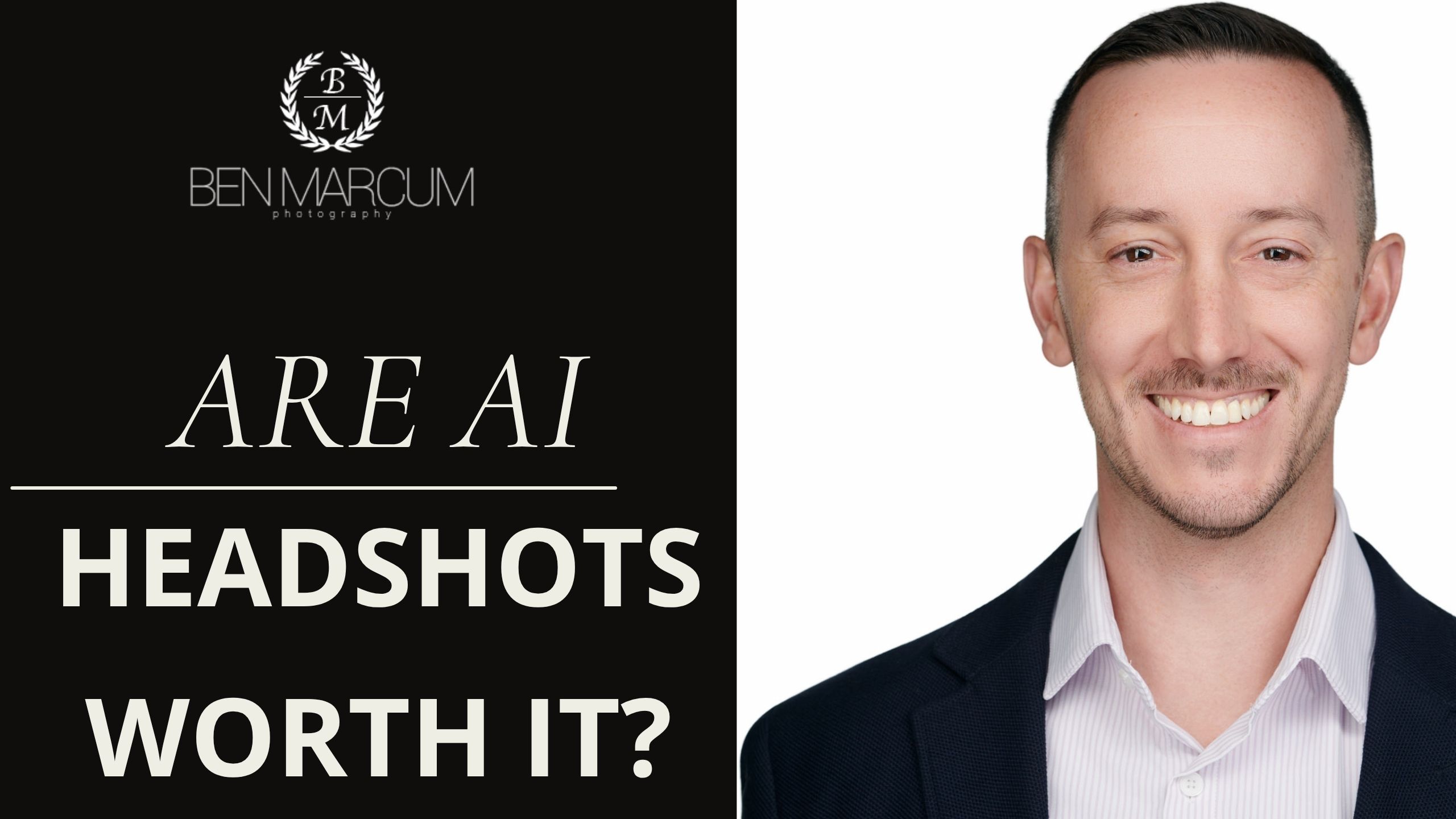
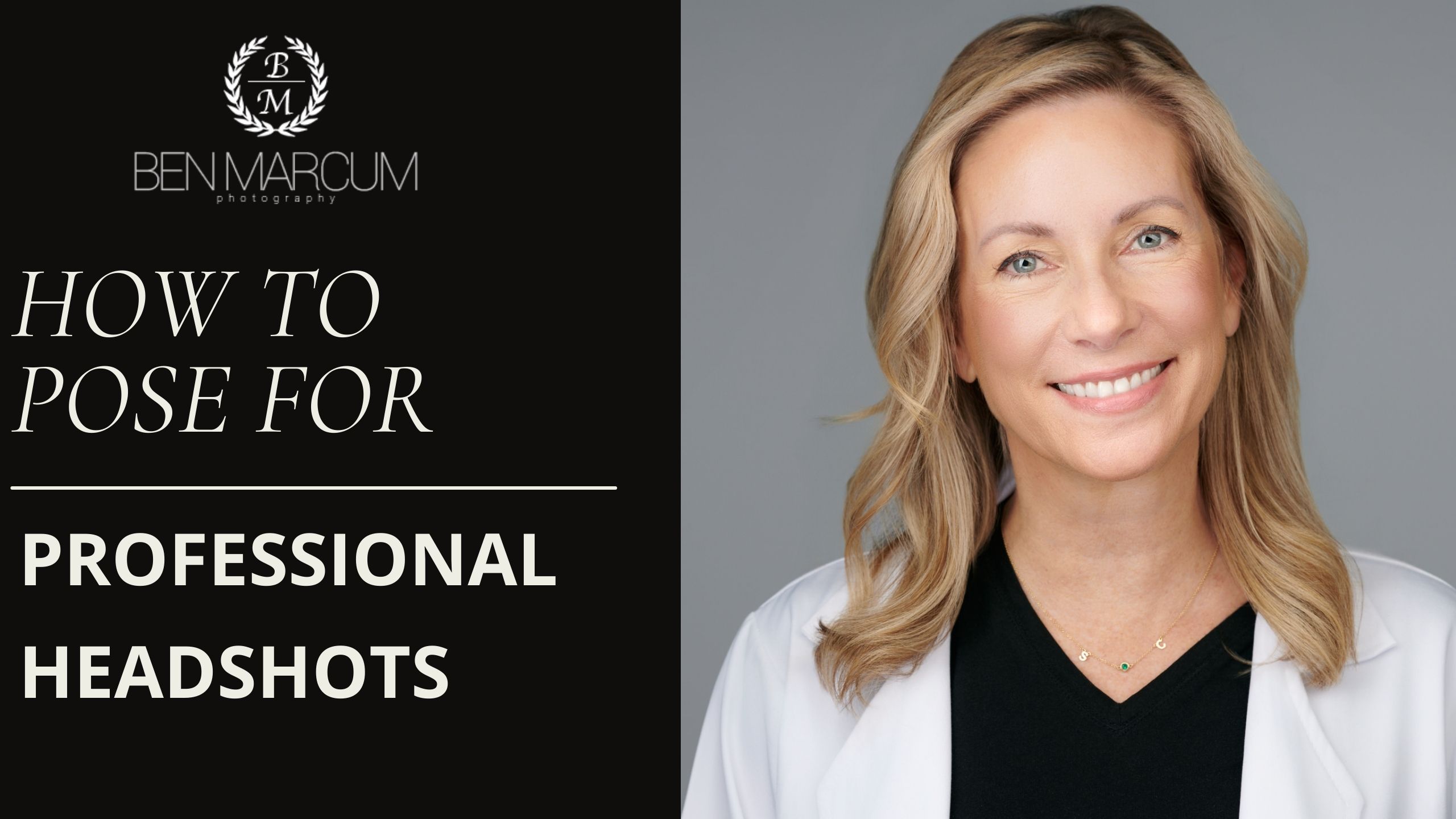
Scroll through LinkedIn. Browse a company’s “About Us” page. Drive past a row of real estate signs.
You’re going to see headshots everywhere.
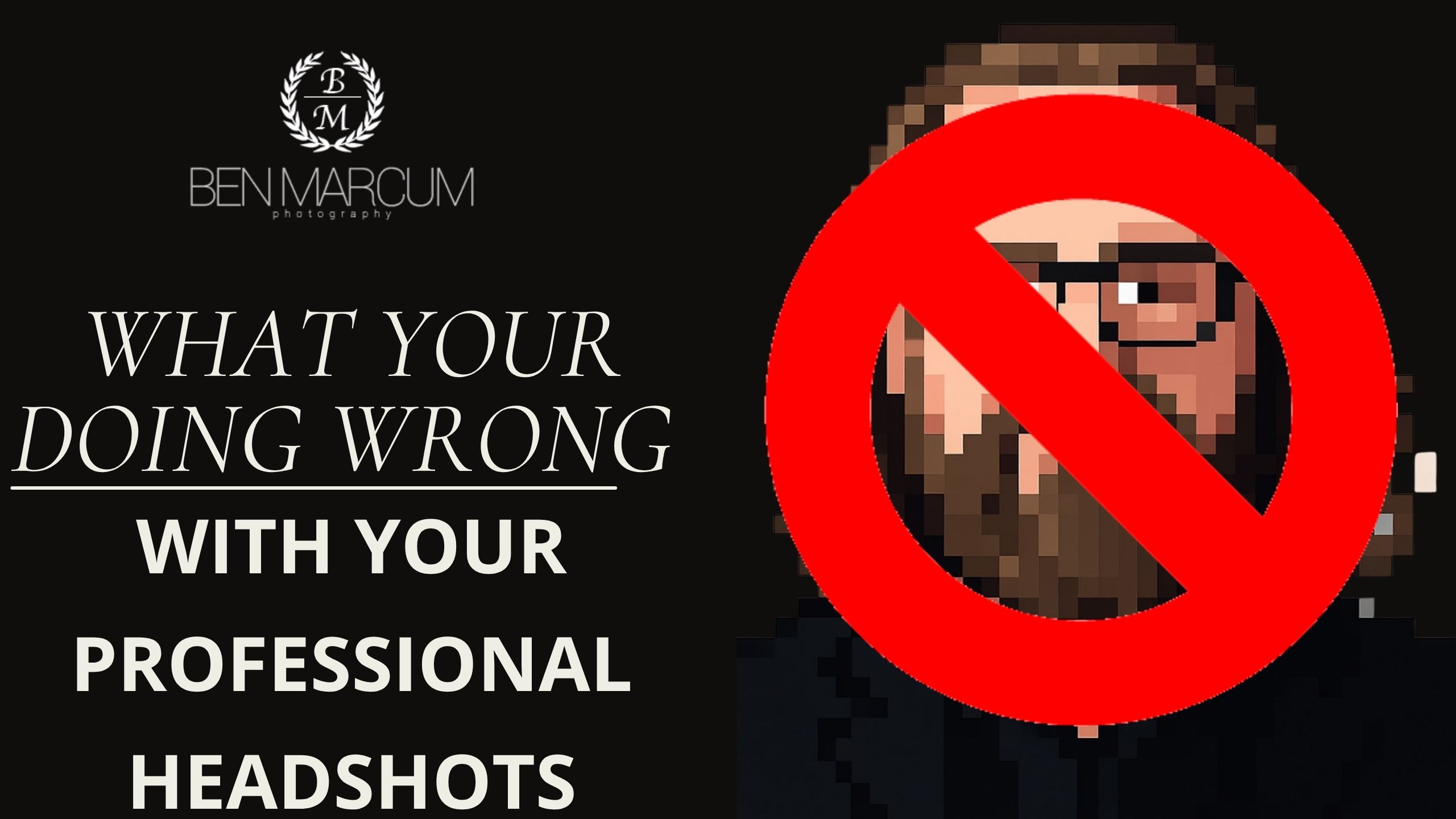
And a lot of them are bad.
That matters more than most people realize, because your headshot is often the first impression you make. It’s the image people see before they ever meet you, email you, or decide whether they trust you enough to do business with you.
So why are there so many bad headshots?
Professional headshots are harder than they look
When I first picked up a camera, I thought headshots would be easy.
I had a background in professional theater. I’d been around actors and headshots for years. I figured, “It’s just head and shoulders. How hard could it be?”
The honest answer? Very hard.
The first headshots I created were terrible. Not “a little off.” Genuinely bad. If we’re being generous, maybe a 2 out of 10.
That realization is what pushed me to train, study under a specialist, Peter Hurley, and focus entirely on headshot photography. Since 2013, that’s been my primary work. And the more I’ve done it, the more obvious it’s become why so many headshots miss the mark.
Not every photographer specializes in headshots
One of the biggest issues is that headshots are often treated as an afterthought.
When bookings slow down, photographers from other genres will sometimes add headshots as a quick service. Wedding photographers. Family photographers. Event photographers.
That doesn’t mean they’re bad photographers. It just means headshots aren’t their specialty.
The same way you wouldn’t ask a headshot photographer to shoot your wedding, you shouldn’t assume every photographer can create strong professional headshots. Specialists exist for a reason.
You see this in other industries all the time. Restaurants hire pastry chefs. Doctors refer patients to specialists. The result is better work because the focus is narrower and deeper.

Low-effort headshots send the wrong message
Another common problem is effort. Or more accurately, the lack of it.
Cropped family photos. Wedding images repurposed for LinkedIn. iPhone photos taken against a wall five minutes before a meeting.
Sometimes these are nice photos. But they aren’t doing the job a headshot is meant to do.
On a subconscious level, these images communicate that representing yourself professionally wasn’t a priority. And whether we like it or not, people pick up on that.
I’ve experienced this firsthand. When I’ve been searching for service providers I needed to trust, I found myself reacting negatively to low-effort headshots. Not because I was judging their appearance, but because the image didn’t make me feel a connection or sense of confidence.
If someone puts minimal effort into how they present themselves, it naturally raises questions about how they approach their work.
Cheap, rushed team headshots don’t work at scale
At some point, someone decides headshots “aren’t a big deal” and hires the least expensive option available. The result is usually a rushed setup where people are told to smile, the shutter clicks once or twice, and they’re sent on their way.
Nobody likes those photos.
I’ve worked with many companies whose staff openly disliked their previous headshots. The most common complaint? “They just told me to smile and go.”
That approach doesn’t work because genuine expressions don’t come from instructions. They come from interaction, coaching, and time.

What a better headshot process looks like
When I photograph headshots, my camera is tethered to a computer so we can see everything in real time.
I don’t tell people to smile. If I need a smile, I make them laugh.
Each person is coached through the process, and we review images together as we go. If someone doesn’t see an image they genuinely like, we keep shooting. That rarely happens, but the option matters.
Yes, that approach costs more upfront. But the images last longer, get used more confidently, and don’t need to be replaced as often.
As a general rule, most people should update their headshot every two years, or sooner if there’s been a significant change.
Why headshots are worth doing right
Your headshot isn’t just a photo.
It’s how people encounter you for the first time. It’s part of how you market yourself, network, and build professional relationships. Whether you’re aware of it or not, it’s doing work for you every day.
My recommendation is simple: find a photographer who specializes in professional headshots and takes the process seriously.
If you’re interested in working with me, you can book a session online, and I’ll look forward to seeing you in the studio.