Are you worried that when you go in for professional headshots you’re going to be all Ricky Bobby and have absolutely no idea what to do with your hands?
Good news. Most people are nervous about that exact thing. Even very confident, successful adults. This is normal. And it’s fixable.
Let’s start by clearing up one very important misunderstanding.
What a Professional Headshot Actually Is
I know this sounds basic, almost elementary, but there’s a reason I start here.
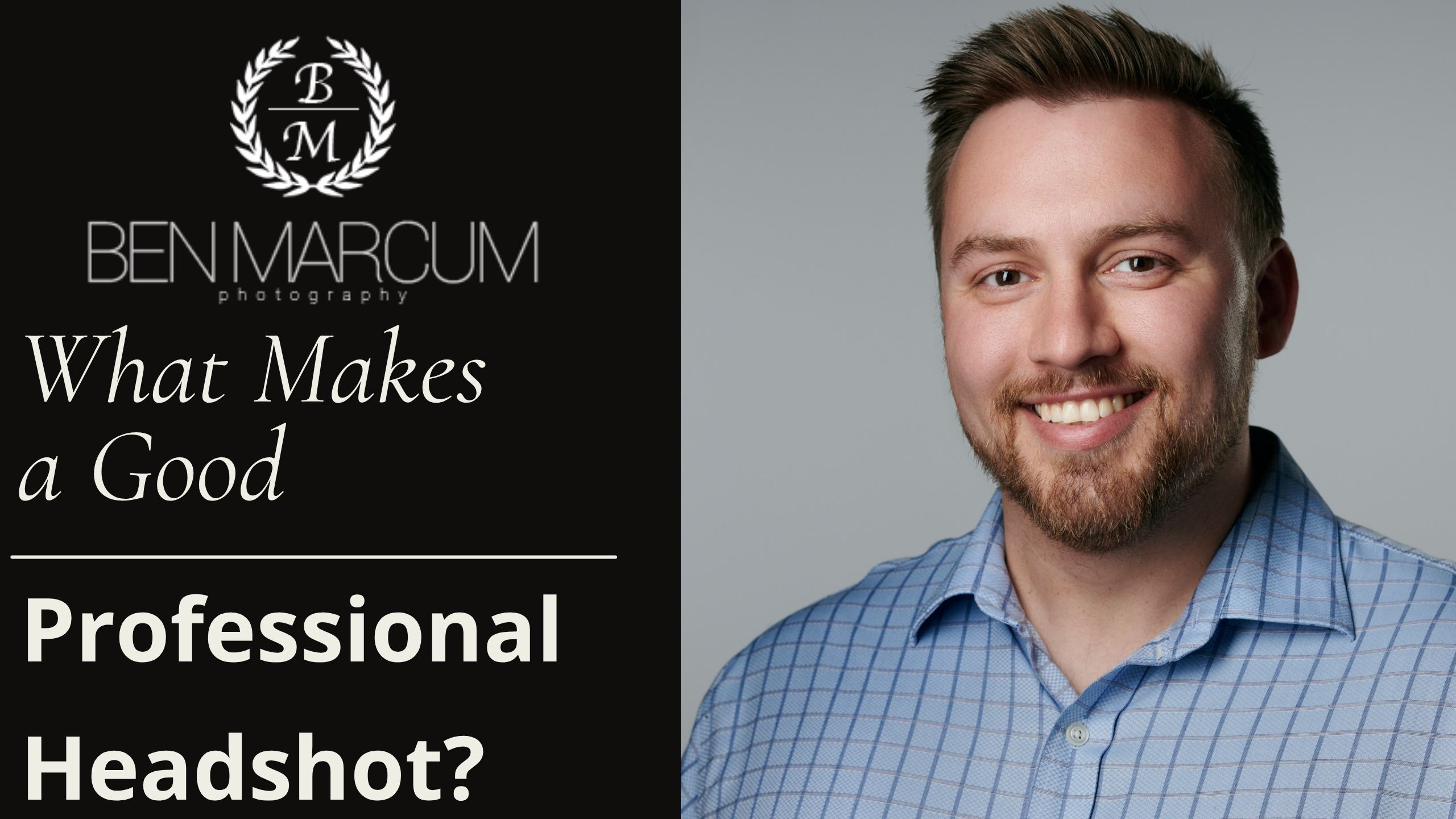
A professional headshot is a photo of you from the shoulders up. That’s it.
If we’re seeing arms, hands, or anything happening below that area, you’re no longer looking at a headshot. You’re looking at a portrait.
That distinction matters, especially on platforms like LinkedIn where you have about half a second and a very small square to make an impression. More isn’t better here. Clarity is.
Your job in a headshot is simple. Connect with the person on the other side of the screen using very limited space.
That’s also why, in a true headshot, we don’t want to see your arms. Which is great news, because we just eliminated a whole category of things you no longer have to worry about.
Why You Don’t Need to Know How to Pose
If you hire a professional headshot photographer, someone who actually specializes in headshots, not weddings, not families, not “everything,” they should already know how to pose you.
You shouldn’t need to walk in knowing anything I’m about to say.
That said, I’m still going to tell you.

Git Rid Of Double Chins In Photos
The very first thing I do with every single person who steps in front of my camera is make them do something that feels absurd.
You’re going to take your face and push it straight forward. Think turtle. Think chicken. Any animal that elongates its neck.
This is hard to see on me because of the beard, but you’ve probably heard people say “the camera adds 20 pounds.” What’s actually happening is this. People pull their head back, scrunch their chin, and erase any hint of a jawline.
When you push your face forward while facing the camera, you elongate everything. Jawline tightens. Skin tightens. Any extra action under the chin gets minimized.
If I don’t tell people they’re doing this, they never notice. Every single person on my website is pushed forward.
And here’s the rule to remember.
If something feels ridiculous in front of the camera, it probably looks good.
This will feel ridiculous. That’s how you know it’s working.
Find Your Best Angles
Another thing we work on is angles. Everyone has them.
I have a little cheat I use. Most people naturally part their hair on their good side. That’s usually a clue.
Now, I slick mine straight back, which you could interpret as “all sides are good sides.” That is unfortunately not how faces work.
If you’re unsure, grab your phone. Put it on a tripod. Use video mode. Start facing straight on, then slowly move through small turns. Left. Center. Right. Think of it like a simple grid of nine positions.
Afterward, screenshot and look. You’ll immediately see which angles you like best. You may even find more than one.
You can also play with how your body feels in the frame. Straight on. Slight turn. Turn the other way.
And yes, you’re allowed to have more than one headshot. Different angles give you options for different uses.

How Much Is Too Much?
A little turn in a headshot is fantastic.
Too much turn, followed by bringing your face all the way back, is not.
That’s when it starts to feel like your head is disconnected from your body. Small turns. Small adjustments. Subtlety wins here.
Arms Crossed in Headshots. Sometimes Yes. Often No.
Earlier I said we don’t want arms in headshots. That’s mostly true.
If you’re a smaller framed person, crossing arms can work, but only if the image is cropped above where the arms actually cross. At that point, all we’re really doing is changing arm position slightly.
If you’re a larger framed person, crossed arms can make you appear wider. It’s worth testing, but it’s not always your friend.
There’s also a bigger issue.
If someone can see your crossed arms, that’s bad body language. On an instinctual level, it reads as defensive. Standoffish. Protective.
You’re literally shielding your organs.
That’s not the message you want your headshot sending.
Should I Smile For Professional Headshots
What we don’t want is grade school photo energy. The frozen, forced smile that everyone recognizes instantly.
Fake smiles don’t just look bad in the mouth. The eyes give them away.
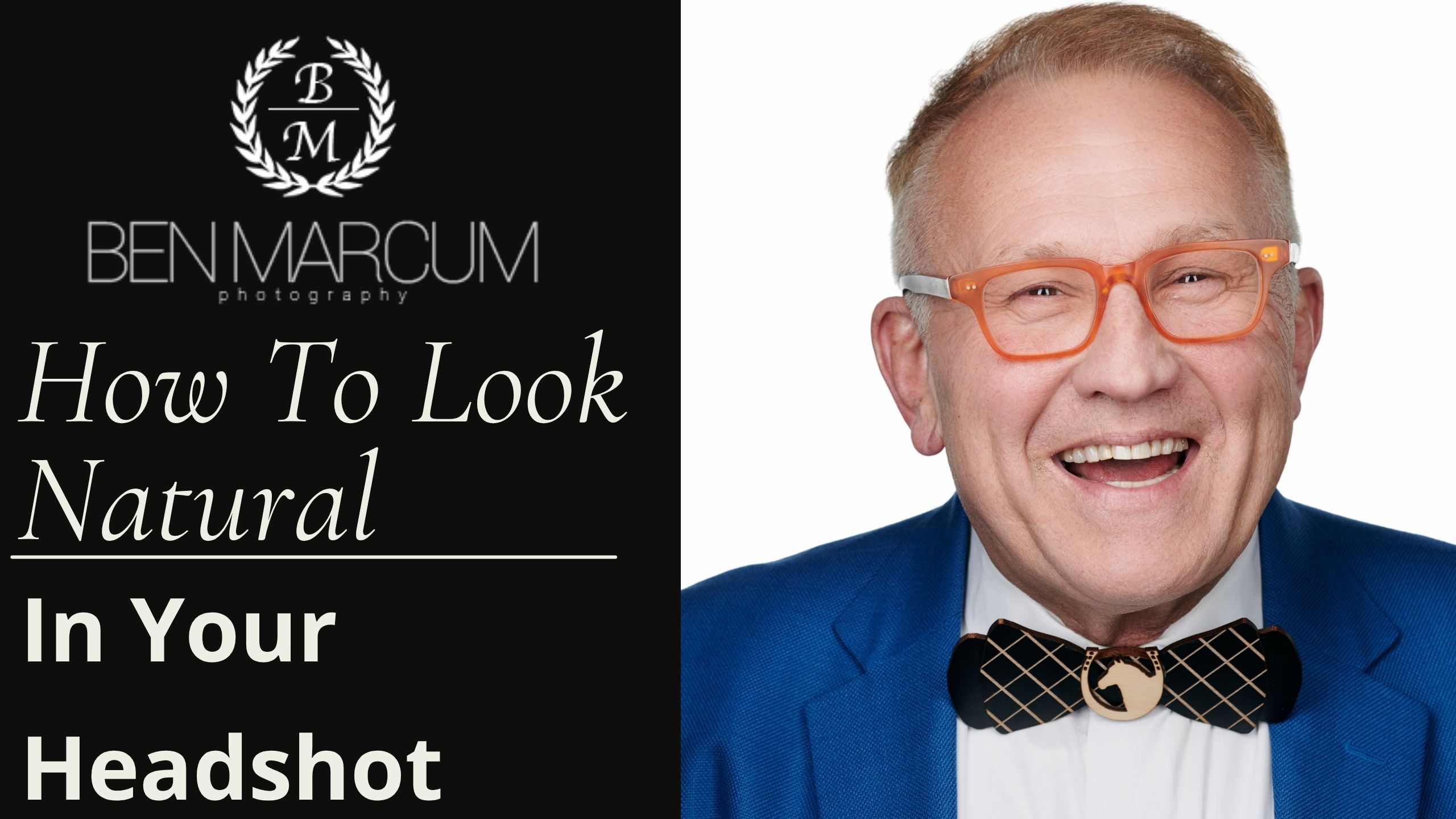
When someone genuinely smiles or laughs, the muscles around the eyes engage. It’s called a Duchenne smile. When someone fake smiles, those muscles don’t engage. The face is doing two different things at once, and it feels off.
You may not consciously know why, but you don’t feel connected to that person.
My philosophy with headshots is simple. Your headshot should feel like we’re sitting across the table having a conversation.
If I met you at a meeting or a networking event, that’s the face I should recognize. Not a statue.
How Good Headshot Photographers Get Real Expressions
A good headshot photographer will never tell you to “smile.”
If I want you to smile, I’m going to make you laugh. If I want something more reserved, I’ll talk you into that space naturally.
At no point am I saying “do this, do that” like you’re assembling IKEA furniture.
We interact. Real reactions happen.
You know. The ones that actually look like you.
For the best results, hire a headshot specialist.
I have appointments available in my studio.
Because when this is done right, you don’t look posed.
You look like yourself. On your best day.